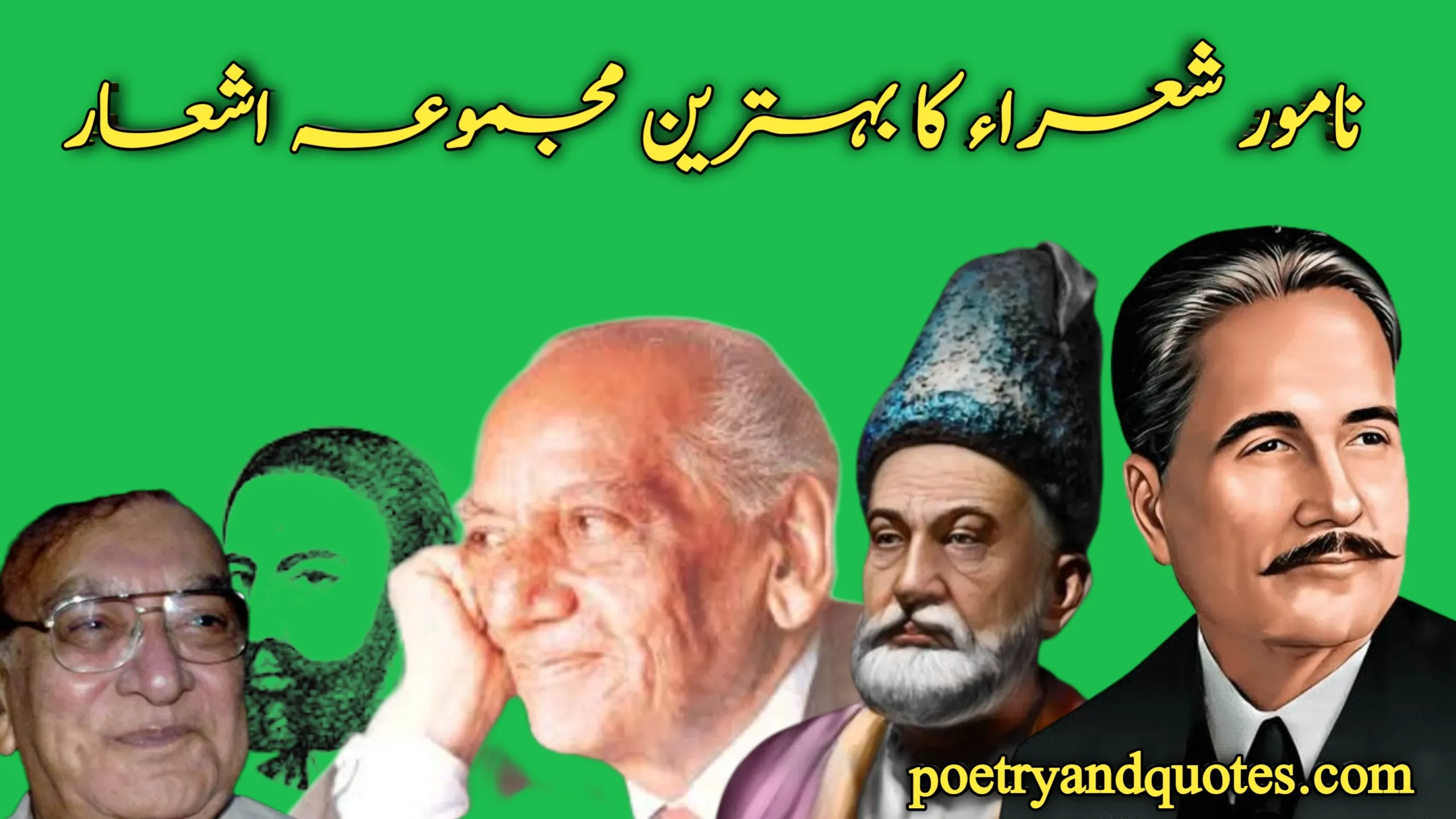
Why Urdu Poetry Connects Deeply With Emotions
Urdu poetry is not just a collection of words, but it is the cry of the human soul that touches the heartstrings directly. There are many languages in the world and each language has its own literature, but the place that Urdu poetry occupies in reflecting human emotions is unparalleled. Love, grief, philosophy, and self—Urdu poetry has given an immortal language to every human condition.
The elegance and verbal impact of Urdu
The foundations of Urdu include the sophistication of Persian, the eloquence of Arabic and the sweetness of Hindi. This language has the ability to describe even the most difficult and the most delicate emotions with simplicity.
Diversity of words: There are different words in Urdu to describe different layers of the same emotion. For example, words like ulfat, ishq, and varfatgi are used for love, which show different intensities of emotions.
Musicality: There is a natural music hidden in the Urdu alphabet that melts the ears of the listener and doubles the emotional impact.
Allama Iqbal Metaphor of self and passion
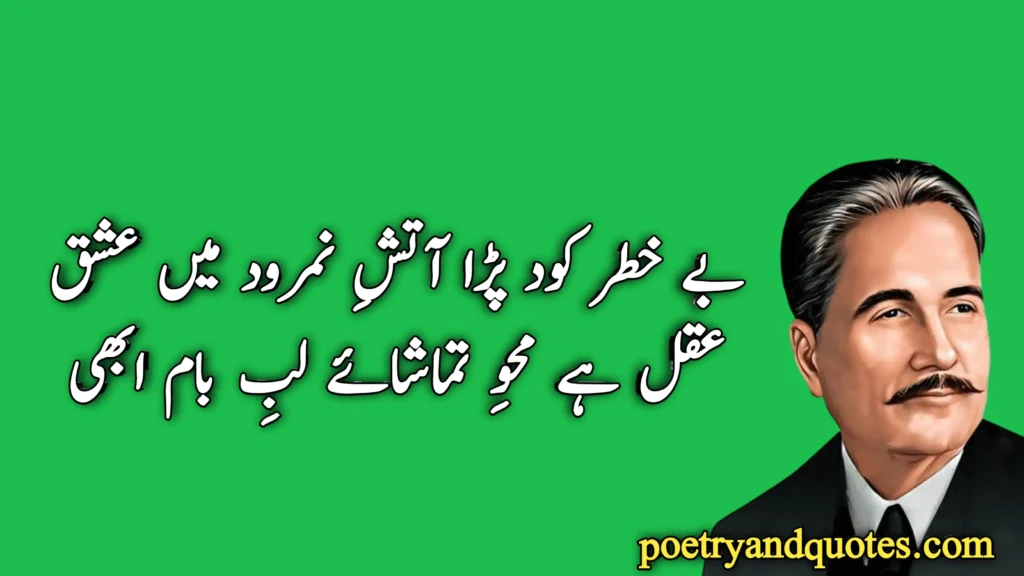
Allama Iqbal’s place in Urdu poetry is the most unique because he took poetry out of the mere traditional tales of beauty and love and gave it a great purpose and a new life. Iqbal gave a positive and constructive side to human emotions.
Read Best attitude Poetry
Self-esteem: According to Iqbal, the greatest emotion of a human being is self-identity or ‘self’. His poetry eradicates the feeling of inferiority hidden within a person and teaches him the lesson of soaring like a falcon.
خودی کو کر بلند اتنا کہ ہر تقدیر سے پہلے🔸
خدا بندے سے خود پوچھے بتا تیری رضا کیا ہے
ستاروں سے آگے جہاں اور بھی ہیں🔸
ابھی عشق کے امتحاں اور بھی ہیں
نہیں تیرا نشیمن قصرِ سلطانی کے گنبد پر🔸
تو شاہیں ہے بسیرا کر پہاڑوں کی چٹانوں میں
عمل سے زندگی بنتی ہے جنت بھی جہنم بھی🔸
یہ خاکی اپنی فطرت میں نہ نوری ہے نہ ناری ہے
بے خطر کود پڑا آتشِ نمرود میں عشق🔸
عقل ہے محوِ تماشائے لبِ بام ابھی
خدا نے آج تک اس قوم کی حالت نہیں بدلی🔸
نہ ہو جس کو خیال آپ اپنی حالت کے بدلنے کا
Movement and Action: Iqbal’s poetry eliminates despair in man and creates a passion for movement and action. He awakened feelings of lofty ambition and courage in the youth by giving the example of Shaheen.
Great Urdu Poets and Their Emotional Heritage
There are a few pillars of Urdu literature who have given the human psyche and emotions the garment of words.
Mir Taqi Mir Ambassador of Grief and Sadness
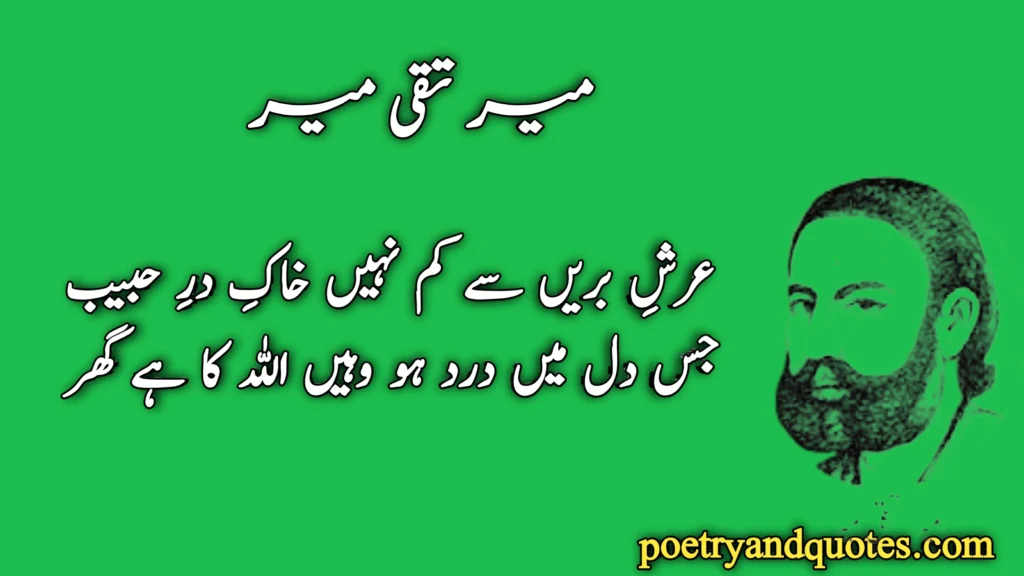
Mir Taqi Mir is called the “God of Words”. His poetry is the best reflection of the brokenness, deprivation and sadness of the human heart. Mir turned his personal sorrows into the sorrow of the universe, which is why when a broken-hearted person reads Mir, he feels as if Mir is talking about his own heart.
ہستی اپنی حباب کی سی ہے
یہ نمائش سراب کی سی ہے
ابتداے عشق ہے روتا ہے کیا
آگے آگے دیکھیے ہوتا ہے کیا
عرشِ بریں سے کم نہیں خاکِ درِ حبیب
جس دل میں درد ہو وہیں اللہ کا ہے گھر
پتا پتا بوٹا بوٹا حال ہمارا جانے ہے
جانے نہ جانے گل ہی نہ جانے باغ تو سارا جانے ہے
کن نیندوں اب تو سوتی ہے اے چشم گریہ ناک
مژگاں تو کھول شہر کو سیلاب لے گیا
مرے سلیقے سے میری نبھی محبت میں
تمام عمر میں ناکامیوں سے کام لیا
نازکی اس کے لب کی کیا کہئے
پنکھڑی اک گلاب کی سی ہے
Mirza Asadullah Khan Ghalib Perception and Philosophy
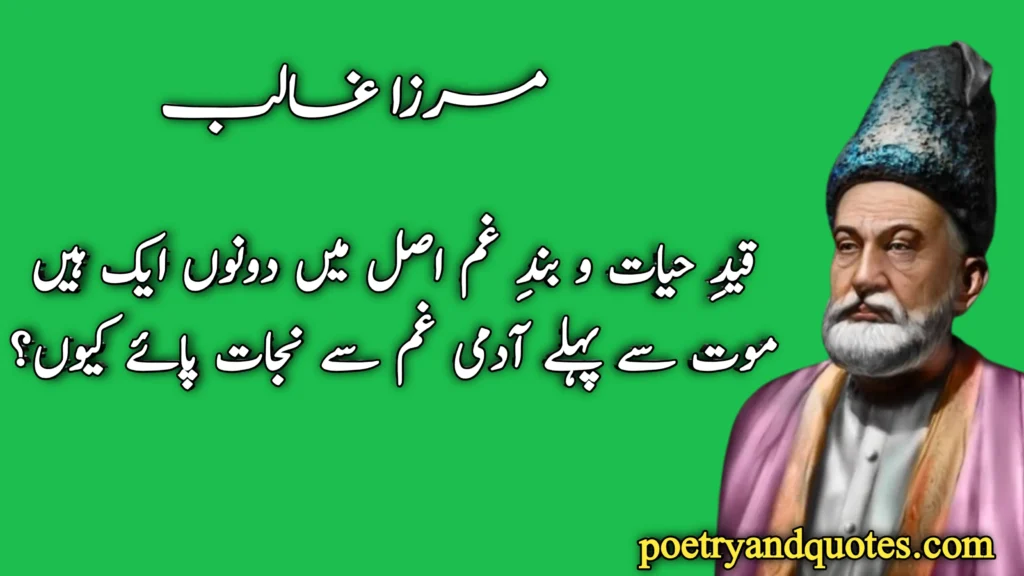
Ghalib gave Urdu poetry a new mental horizon. He not only felt emotions but also raised questions on them. Ghalib’s poetry contains a sea of human ego, doubt, belief and the contradictions of life that force the reader to think. In his case, even grief is characterized by a kind of egotism and dignity.
ہزاروں خواہشیں ایسی کہ ہر خواہش پہ دم نکلے
بہت نکلے مرے ارمان لیکن پھر بھی کم نکلے
قیدِ حیات و بندِ غم اصل میں دونوں ایک ہیں
موت سے پہلے آدمی غم سے نجات پائے کیوں؟
نہ تھا کچھ تو خدا تھا کچھ نہ ہوتا تو خدا ہوتا
ڈبویا مجھ کو ہونے نے نہ ہوتا میں تو کیا ہوتا؟
عشق نے غالب نکما کر دیا
ورنہ ہم بھی آدمی تھے کام کے
بازیچۂ اطفال ہے دنیا مرے آگے
ہوتا ہے شب و روز
تماشا مرے آگے
Faiz Ahmed Faiz The Confluence of Romance and Revolution
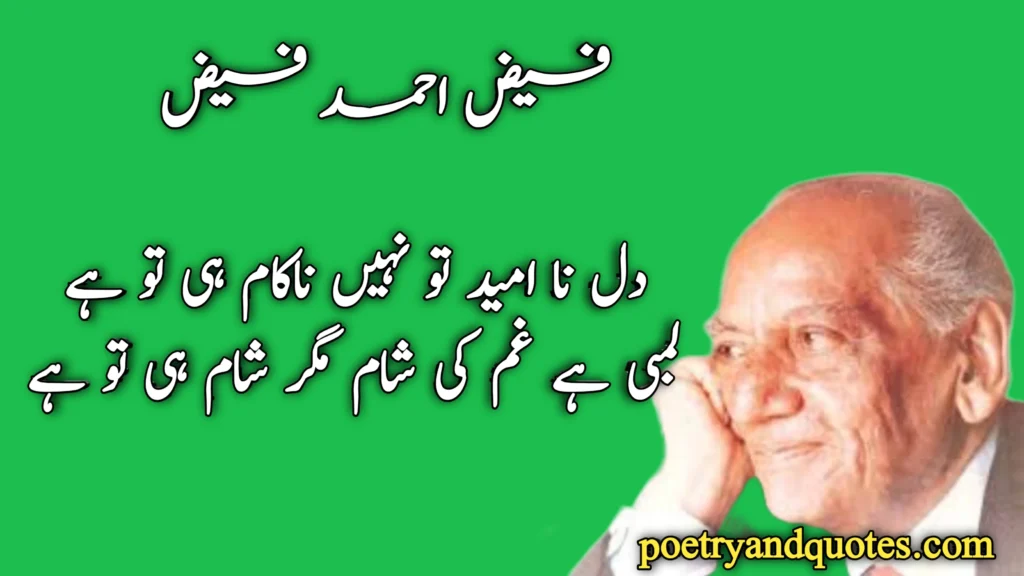
Faiz gave a new dimension to Urdu poetry where he linked the grief of the beloved with the grief of the times. His poetry has both tenderness and a resounding voice against oppression. Faiz proved that a poet does not remain confined to himself alone but is the spokesperson for the emotions of the entire society.
دل نا امید تو نہیں ناکام ہی تو ہے
لمبی ہے غم کی شام مگر شام ہی تو ہے
اور بھی دکھ ہیں زمانے میں محبت کے سوا
راحتیں اور بھی ہیں وصل کی راحت کے سوا
سنا ہے لوگ اسے آنکھ بھر کے دیکھتے ہیں
سو اس کے شہر میں کچھ دن ٹھہر کے دیکھتے ہیں
Ahmed Faraz Modern Romantic Tone
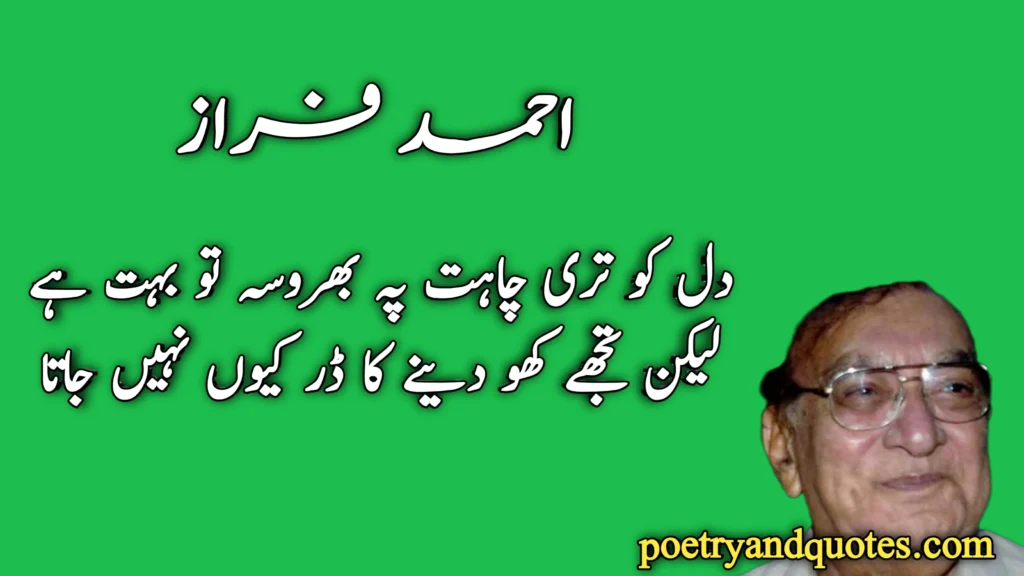
Ahmed Faraz’s poetry is a complete spokesperson for the emotions of the youth of today. He described the delicate feelings of love, the sorrow of infidelity and the spirit of protest in such a simple and charming language that he became the voice of every heart.
شکوۂ ظلمتِ شب سے تو کہیں بہتر تھا
اپنے حصے کی کوئی شمع جلاتے جاتے
تمہارے بعد بھی آتی ہے یاد کیوں اس کی
بچھڑ چکا ہے جو اس کی تلاش ہے کیا اب؟
دل کو تری چاہت پہ بھروسہ تو بہت ہے
لیکن تجھے کھو دینے کا ڈر کیوں نہیں جاتا
اس سے ملنا تو اسے پیار سے دیکھنا فراز
جس کے چہرے پہ لکھے ہوں کئی چہرے دیکھنا
کون سے نام سے تعبیر کروں اس رشتے کو
دل کے دامن سے جو لپٹا ہے لکیروں کی طرح
آنکھ سے دور نہ ہو دل سے اتر جائے گا
وقت کا کیا ہے گزرتا ہے گزر جائے گا
Importance of Urdu Poetry in Modern Times
In today’s hectic life where man is suffering from loneliness and mental stress, Urdu poetry acts as a “catharsis” (purification of the soul). The frequent use of Urdu poetry on social media is proof that even today, humans resort to these immortal poems to express their happiness, sadness and anger. This poetry prevents humans from becoming machines and keeps them feeling that they are human.
Conclusion
Urdu poetry is not just a genre of speech but it is the precious capital of human civilization that has given voice to our feelings for centuries. In this journey we saw that while Mir Taqi Mir’s poems become a balm for the most delicate sorrows of the human heart Mirza Ghalib’s thoughts enlighten us with the deep philosophies of life. Faiz Ahmed Faiz taught us that sharing the sorrow of humanity is the real life more than individual sorrow and Ahmed Faraz gave a new light to the emotional demands of the modern era.
Above all the sage of the nation Allama Iqbal gave Urdu poetry the courage and enthusiasm that takes a person out of the darkness of despair and encourages him to set his sights on the stars. His poetry reminds us that emotions are not just a sign of weakness but if they are molded into the mold of self these same emotions can change the destiny of a nation.
In today’s digital age where man is losing his true identity and peace, Urdu poetry is a refuge that connects us to ourselves. It is the immortal heritage that will continue to be passed down from generation to generation, because as long as the heart beats in the human chest and waves of emotions rise in it, the need and importance of Urdu poetry will never diminish.
References
🔸 History of Urdu Literature – Dr. Jamil Jalibi
🔸 Outrageous Poetry – Shams-ur-Rehman Farooqi
🔸 Impressions of Iqbal – Maulana Abul Hasan Ali Nadvi
🔸 Kaliyat-e-Faiz – Faiz Ahmed Faiz