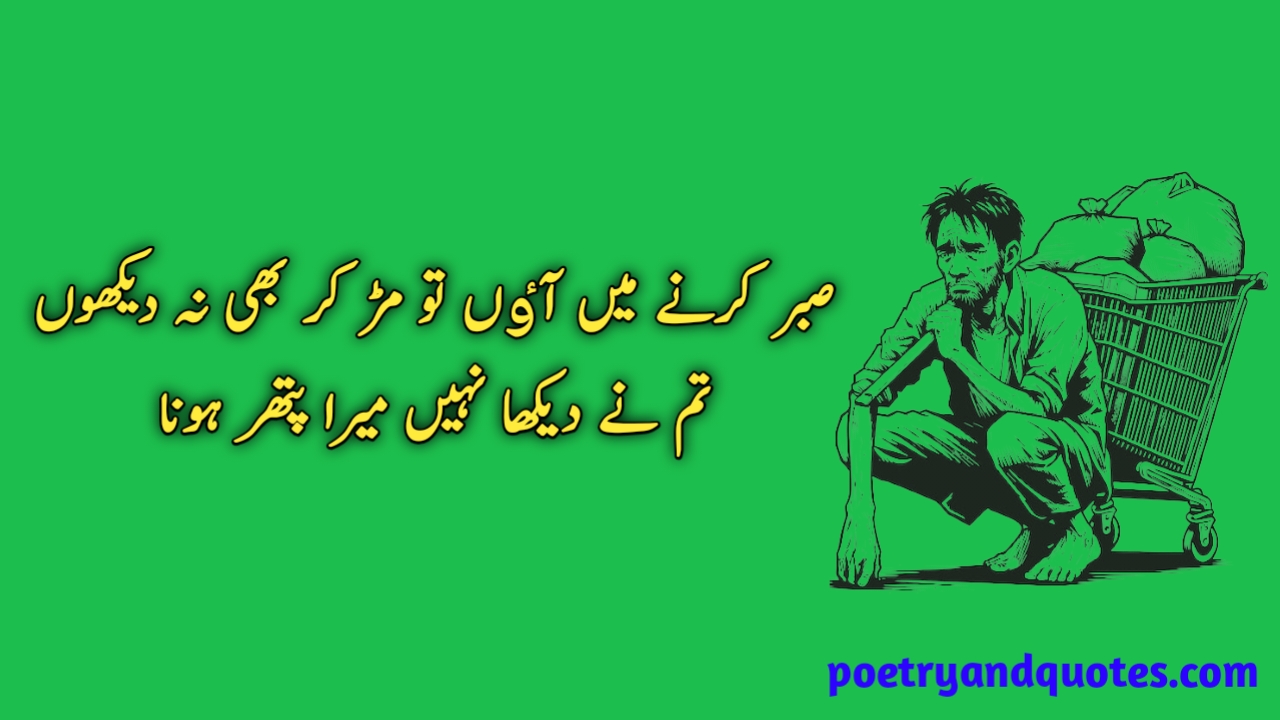
How Sad Poetry Teaches Life Lessons: A Deep Dive into Love, Loss, and Learning
The world of Urdu poetry is not just about rhymes and rhythms; it is a profound school of life. Many people view sad poetry as a source of gloom, but in reality, it is one of the most powerful tools for emotional healing and personal growth. When we talk about How sad poetry teaches life lessons, we are essentially discussing the evolution of the human soul through the medium of words.
In this comprehensive guide, we will explore how the verses of legendary poets help us navigate the turbulent waters of love and loss. Whether it is the heartbreak of a modern-day relationship or the philosophical questions of existence, Urdu poetry provides the answers that our hearts often seek in silence.
The Psychological Connection Between Pain and Poetry
Psychologists have long argued that expressing pain is the first step toward healing. Sad poetry serves as a “Catharsis”—a release of tension. When a poet puts their sorrow into words, they are not just complaining; they are analyzing the human condition.
For a reader, seeing their own pain reflected in a couplet (Sher) creates a sense of validation. You realize that your suffering is not unique, and if others have survived it and turned it into art, you can survive it too. This is the first and most crucial life lesson: Validation of Emotion.
The Concept of ‘Sabr’ (Patience) in Urdu Verses
One of the core themes in Urdu poetry is Sabr. Life is unpredictable, and loss is inevitable. Poets like Mir Taqi Mir and Mirza Ghalib often spoke about enduring hardships with a sense of dignity.
Visit for complete poetry category
In the face of adversity, sad poetry teaches us that “waiting” is not just wasting time; it is a form of spiritual discipline. It teaches us that the night is darkest just before the dawn.
ابتدا ئے عشق ہے روتا ہے کیا
آگے آگے دیکھئے ہوتا ہے کیا❤️
Ibtada-e-ishq hai rota hai kya, Aage aage dekhiye hota hai kya.❤️
Understanding the Impermanence of Life (Fana)
Urdu poetry is deeply rooted in the Sufi concept of Fana (mortality). Many sad poems reflect on how nothing in this world is permanent—neither joy nor sorrow. When we read about the falling of autumn leaves or the setting sun in poetry, we are being taught a vital life lesson: Detachment. By understanding that everything must pass, we learn to cherish the people we love while they are still with us, and we find the strength to let go when they are gone.
Love as a Catalyst for Transformation
The second part of our guide focuses on Love, Loss, and Learning. In the Urdu tradition, “Ishq” is not just an emotion; it is a trial that transforms a person.
The Difference Between Attraction and Deep Love
Poetry teaches us that true love requires the sacrifice of the “Ego” (Ana). A person who has never experienced the “Dard” (pain) of love remains incomplete. Sad poetry often highlights how heartbreak breaks the hard shell of our pride, making us more humble, empathetic, and human.
Learning Resilience Through Heartbreak
Loss is a harsh teacher, but poetry makes the lessons easier to digest. Instead of falling into despair, poetry encourages us to look at heartbreak as a “New Beginning.” It teaches us that while a person may leave, the lessons they left behind and the strength you discovered in their absence are your true gains.
دلِ ناداں تجھے ہوا کیا ہے
آخر اس درد کی دوا کیا ہے❤️
Dil-e-nadan tujhe hua kya hai, Aakhir is dard ki dawa kya hai.❤️
Turning Sorrow into Creativity (Gham-e-Zamana vs Gham-e-Yaar)
Poets distinguish between the sorrow of the world (Gham-e-Zamana) and the sorrow of the beloved (Gham-e-Yaar). Sad poetry teaches us that we can channel our personal pain into something productive for the world. Many of the world’s greatest masterpieces were born from deep sadness. This teaches us that we can choose to be victims of our circumstances, or we can be the creators of something beautiful from those very same circumstances.
The Fear of Vulnerability: Why We Hide Our Pain
Urdu poetry often explores the complex psychology of a broken heart. One of the most profound lessons it teaches is the fear of “Vulnerability.” After being hurt once, a person becomes cautious. This isn’t just sadness; it is a defensive mechanism that poetry explains so perfectly.
رونے کو ہم بھی رو لیں مگر ڈر سا لگتا ہے
کہیں پھر کوئی ہمدرد بن کے درد نہ دے جائے❤️
Rone ko hum bhi ro lein magar dar sa lagta hai, kahin phir koi humdard ban ke dard na de jaye.❤️
The Value of Lasting Impressions (Khalish)
Zindagi mein har zakhm bura nahi hota. Kuch zakhme’in hamein zinda hone ka ehsas dilati hain. Urdu shayari mein “Khalish” (a lingering prick or pain) ko ek tohfa samjha jata hai jo insaan ko sabaq yaad dilata rehta hai.
جو زخم دیتا ہے تو بے اثر ہی دیتا ہے
خلش وہ دے کہ جسے بھول بھی نہ پاؤں میں❤️
Jo zakhm deta hai to be-asar hi deta hai, khalish wo de ke jisay bhool bhi na paun mein.❤️
Love as a Memory: The Dominance of Pain in Life
Jab hum apni guzri hui zindagi ka hisab karte hain, to aksar khushiyon se zyada wo dukh yaad aate hain jo hum ne mohabbat mein sahay hote hain. Poetry teaches us that pain is often the most loyal companion of our memories.
کہاں اتنی خبر عمرِ محبت کس طرح گزری
تیرا ہی درد تھا مجھ کو جہاں تک یاد آتا ہے❤️
Kahan itni khabar umr-e-mohabbat kis tarah guzri, tera hi dard tha mujh ko jahan tak yaad aata hai.❤️
The Stage of Emotional Numbness (Tark-e-Talluq)
Zindagi mein ek waqt aisa aata hai jab insaan dard ka itna aadi ho jata hai ke usey mazeed takleef mehsoos hona band ho jati hai. Ise psychology mein “Emotional Numbness” kehte hain, aur Urdu shayari ise “Wahshat ka khatma” kehti hai.
اب درد بھی اک حد سے گزرنے نہیں پاتا
اب ہجر میں وہ پہلی سی وحشت نہیں ہوتی❤️
Ab dard bhi ek had se guzarne nahi pata, ab hijr mein wo pehli si wahshat nahi hoti.❤️
Acceptance of Flaws: Flowers and Thorns
Marriage ho ya love, har rishte mein “Perfection” talash karna bekar hai. Sad poetry hamein haqeeqat-pasandi (realism) sikhati hai ke jahan khushi hogi, wahan gham bhi lazmi hoga.
محبوب نے زخم دیے تو پھر کیا ہوا
کیا پھولوں کے ساتھ کانٹے نہیں ہوتے❤️
Mahboob ne zakhm diye to phir kya hua, kya phoolon ke sath kante nahi hote.❤️
The Beauty of Incomplete Stories
Hamein bachpan se sikhaya jata hai ke har kahani ka “Happy Ending” hona zaroori hai. Magar Urdu shayari hamein sikhati hai ke adhoori mohabbat ka apna ek muqam aur garoor hota hai.
مکمل صرف کہانیاں ہوتی ہیں
محبتیں ہمیشہ ادھوری رہ جاتی ہیں❤️
Mukammal sirf kahaniyan hoti hain, mohabbatein hamesha adhoori reh jati hain.❤️
Psychological Benefits of Reading Sad Poetry in 2026
In the fast-paced digital world of 2026, mental health has become a global concern. Sad poetry acts as a free therapy. Here is why: Resonance and Empathy—When you read a verse that describes your exact situation, your brain releases neurochemicals that make you feel understood. This reduces the feeling of isolation. Cognitive Reframing—Poetry allows you to see your pain from a third-person perspective. Instead of being “inside” the pain, you become an “observer” of the art. This shift is a major life lesson in emotional intelligence.
The Role of Grief in Spiritual Growth
One of the greatest lessons of Urdu poetry is that pain often leads a person toward spirituality and Sufism. When worldly relationships cause heartbreak, an individual naturally turns toward the Creator—the only entity that never causes pain. In Urdu literature, this transformation is known as the journey from “Ishq-e-Majazi” (Metaphorical/Human Love) to “Ishq-e-Haqiqi” (Divine Love). Sad poetry teaches us that a broken heart is actually a gateway for Divine light to enter.
دل کے پپھولے جل اٹھے سینے کے داغ سے
اس گھر کو آگ لگ گئی گھر کے چراغ سے❤️
Dil ke paphole jal uthe seene ke daagh se, is ghar ko aag lag gayi ghar ke chiragh se.❤️
Resilience: Learning to Stand After the Storm
In the school of life, the most important lesson is “Resilience”—the ability to bounce back after falling. Sad poetry acts as a pillar of strength for a falling soul. When you realize that legendary figures like Ghalib and Iqbal endured immense sorrow, it gives you the courage to face your own battles. Just as a raw clay pot becomes strong only after being tempered in a furnace, a human being achieves true character only after passing through the fire of grief.
تندیِ بادِ مخالف سے نہ گھبرا اے عقاب
یہ تو چلتی ہے tujhe اونچا اڑانے کے لیے❤️
Tundi-e-baad-e-mukhalif se na ghabra ae uqaab, ye to chalti hai tujhe ooncha udane ke liye.❤️
The Art of Silence (The Power of ‘Khamoshi’)
Another vital lesson of grief is the value of silence. When pain exceeds a certain limit, words become insufficient. Sad poetry teaches us that not every situation requires a verbal response; sometimes, silence is the most powerful answer one can provide.
خاموشی میں بھی ایک شور ہوتا ہے
جسے صرف ٹوٹا ہوا دل ہی سن سکتا ہے❤️
Khamoshi mein bhi ek shor hota hai, jisay sirf toota hua dil hi sun sakta hai.❤️
Historical Lessons from the Masters of Urdu Poetry
Mirza Ghalib lived a life of extreme poverty and witnessed the deaths of his loved ones. Yet, his poetry contains a unique “Wit.” He chose to intellectualize his pain and even mock his own tragedies rather than being crushed by them. Mir Taqi Mir, known as the “God of Poetry,” captured unmatched levels of pain but never compromised on his “Self-Respect” or “Dignity.”
شام سے کچھ بجھا سا رہتا ہے
دل ہوا ہے چراغ مفلس کا❤️
Shaam se kuch bujha sa rehta hai, dil hua hai chiragh-e-muflis ka.❤️
Why is Sad Poetry More Popular Than Happy Poetry?
It is an interesting psychological fact that humans often dance in joy but “Think” in sorrow. Happiness connects us to the outer world, but grief forces us to look “Within” ourselves. Moments of joy are often fleeting, but the lessons learned through pain stay with us for a lifetime. Two people who share the same pain develop a bond that is unbreakable.
Conclusion: The Healing Power of Poetry
In conclusion, sad poetry is not merely a collection of sorrowful words; it is a profound guide to emotional maturity and resilience. By exploring themes of loss, heartbreak, and spiritual growth, these verses teach us to embrace our vulnerabilities and transform our pain into wisdom. As we navigate the complexities of life in 2026, the timeless lessons of the Urdu masters continue to offer solace, reminding us that every scar is a story of strength and every tear is a step toward self-discovery. Ultimately, through the lens of poetry, we learn that even in our darkest moments, there is a beauty that connects us all as human beings.